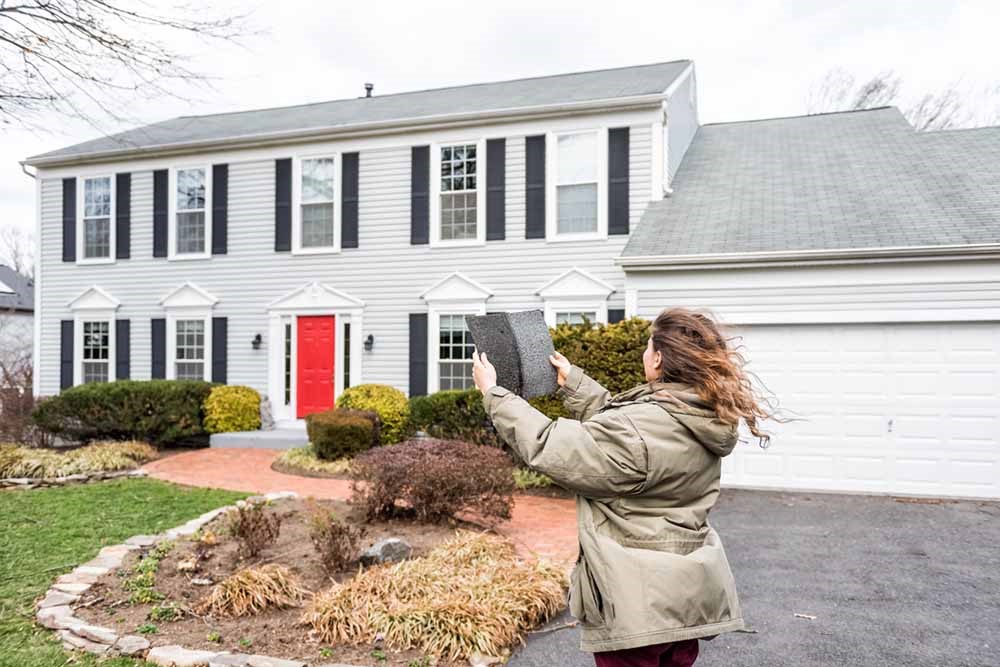
When replacing or installing a new roof, many homeowners focus on color, style, or price. While those factors matter, one of the most important details to consider is how well your shingles can handle strong winds. At KVN Construction, we help homeowners understand wind resistance ratings so they can choose shingles that provide dependable protection for their homes.
Roofing shingles are tested and rated based on their ability to withstand wind pressure and uplift. These ratings help determine how well the shingles will perform during storms and high wind conditions. By understanding the different rating systems, you can make a more informed decision when selecting shingles for your roof.
Why Wind Resistance Ratings Matter
Wind resistance ratings measure how well roofing shingles stay in place when exposed to strong wind forces. During heavy storms, wind can lift or tear shingles away from the roof, which can expose the roof deck to water damage and lead to costly repairs.
Choosing shingles with a higher wind resistance rating can help reduce the risk of roof damage and improve the overall durability of your roofing system. Wind ratings are especially important in areas that experience seasonal storms or strong wind events.
ASTM D3161 Wind Resistance Ratings
One common testing standard for roofing shingles is ASTM D3161. This test uses high-powered fans to simulate wind conditions and evaluate how well shingles stay attached.
Under this testing method, shingles are classified into three main categories:
- Class A: Rated to withstand winds up to about 60 mph
- Class D: Rated to withstand winds up to about 90 mph
- Class F: Rated to withstand winds up to about 110 mph
Class F shingles offer the highest wind resistance under this test and are often recommended for homes in areas that experience frequent storms or stronger wind events.
ASTM D7158 Wind Uplift Ratings
Another important standard is ASTM D7158, which focuses on wind uplift resistance. Instead of using a fan simulation, this test measures how shingles resist the force of wind lifting them away from the roof surface.
This rating system includes three classifications:
- Class D: Rated for winds up to about 90 mph
- Class G: Rated for winds up to about 120 mph
- Class H: Rated for winds up to about 150 mph
Class H shingles provide the strongest resistance in this category and are commonly used when homeowners want maximum protection from high wind conditions.
Factors That Affect Wind Resistance
Wind ratings are important, but the performance of a roof also depends on several other factors. Even high-rated shingles may fail if they are not installed correctly or if the roofing system is compromised.
Some key factors that influence wind resistance include:
- Proper nailing patterns during installation
- Quality of the roofing underlayment
- Roof slope and design
- Activation of the adhesive seal strip on shingles
- Overall condition of the roof deck
Working with experienced roofing professionals helps ensure that shingles are installed according to manufacturer guidelines so they perform as intended.
Choosing the Right Wind Resistance Rating
The best wind resistance rating for your roof depends on your local climate, home design, and roofing goals. While standard shingles may provide adequate protection for some homes, higher-rated shingles can offer added peace of mind during severe weather.
At KVN Construction, we help homeowners compare roofing materials and choose shingles that provide strong performance and long-term durability. Our team evaluates your roof structure and recommends the best options based on your home’s needs.
Protect Your Home with Expert Roofing from KVN Construction
Selecting shingles with the right wind resistance rating is an important step in protecting your home from weather damage. When combined with professional installation and quality roofing materials, these ratings help ensure your roof stands up to challenging conditions.
At KVN Construction, we take pride in helping homeowners install roofing systems designed for durability and long-term protection. Contact KVN Construction today to learn more about roofing options and schedule a professional roof consultation.
Subscribe to KVN Construction's Blog


Comments